Thinking about buying a home in Florida? One of the first decisions is whether you want everyday coastal access or the space, communities and Orlando-area convenience of Central Florida. The right answer can affect the type of home you buy, your insurance considerations, commute and how you spend your weekends.
For buyers relocating to Orlando, communities around Winter Garden, Clermont, Davenport, Kissimmee and Lake Nona offer newer homes, lakefront options, resort-style amenities and access to both Florida coasts for day trips. Coastal Florida can be the stronger choice for buyers who want the beach woven into everyday life.
Central Florida or Coastal Florida: A Quick Buyer Fit
- Consider Central Florida if you want: more new-construction choices, a master-planned community, lake living, access to Orlando or a location between the Atlantic and Gulf coasts.
- Consider coastal Florida if you want: daily beach access, saltwater boating, surfing or an ocean view as a core part of your lifestyle.
Not sure which direction fits your move? Talk with Paul Baker about Central Florida homes and communities.
Central Florida vs. Coastal Florida: Which Is Better for Homebuyers?
The biggest difference is not simply the distance to the beach. It is the type of Florida lifestyle you are buying. Coastal living puts the ocean, beaches and saltwater recreation close to home. Central Florida trades immediate beach access for a more inland lifestyle centered around lakes, parks, entertainment, growing communities and convenient access to a large metropolitan area.
For buyers who expect to spend several days each week boating, surfing or walking on the beach, paying a premium for a coastal location may be worthwhile. But buyers who mainly want to visit the beach occasionally may discover that living in Central Florida gives them many of the benefits they want while keeping both Atlantic and Gulf Coast trips within reach.
1. More Homes, New Construction and Community Amenities
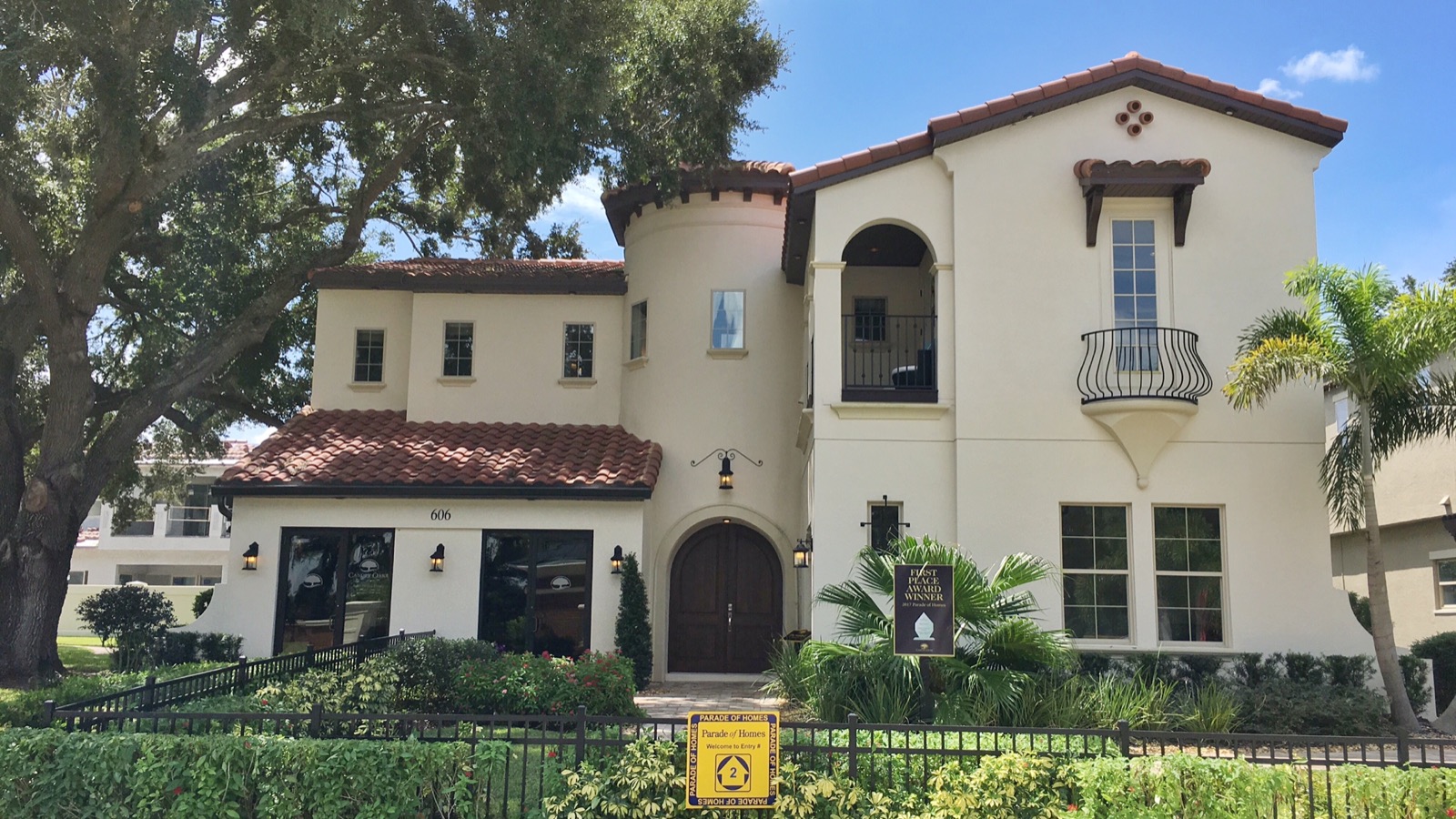
One of Central Florida's biggest advantages is the variety of housing available. Buyers can find established neighborhoods, gated communities, golf communities, 55+ communities, luxury homes, townhomes and a large selection of new construction.
Fast-growing areas west and southwest of Orlando have attracted major homebuilders and master-planned developments with amenities such as pools, clubhouses, fitness centers, trails, playgrounds, dog parks and community gathering spaces. Depending on the neighborhood, a buyer comparing a Central Florida home with a similarly priced property near the coast may find differences in age, lot size, square footage and community amenities.
Price and value vary dramatically by city and neighborhood, so buyers should compare specific properties rather than assume that every inland home is less expensive than every coastal home.
2. Storm Surge, Flood Zones and Homebuying Due Diligence
No part of Florida is hurricane-proof. Central Florida can experience hurricane-force winds, tornadoes, heavy rain, flooding and power outages. However, location changes the types of risks a homeowner needs to evaluate.
The Florida Division of Emergency Management notes that coastal counties are susceptible to storm surge and that evacuation zones have been designated in most coastal counties, while interior counties do not have designated storm-surge evacuation zones. FEMA describes coastal flooding as a combination of elevated water levels, often driven by storm surge, and wave action.
That does not mean an inland property cannot flood. Flood risk can exist well away from the ocean because of rainfall, lakes, rivers, drainage and the property's elevation. Before buying any Florida home, review the specific address, flood information, insurance options, roof age, construction features and wind-mitigation characteristics.
3. Compare Homeowners Insurance Before You Make an Offer
Insurance should be investigated before falling in love with a house. Florida's Office of Insurance Regulation notes that location is one factor used in hurricane-wind premiums and that homes closer to the coast are more vulnerable to hurricane-wind damage.
But insurance pricing is property-specific. The age and condition of the home, roof, opening protection, construction type, wind mitigation, claims history, coverage choices and insurer can all matter. An inland address is not a guarantee of inexpensive insurance, and a coastal address does not automatically make a home unaffordable.
A smart strategy is to request insurance estimates while you are evaluating the home, not after you have mentally committed to buying it.
4. Beach Access: Everyday Living vs. Easy Day Trips
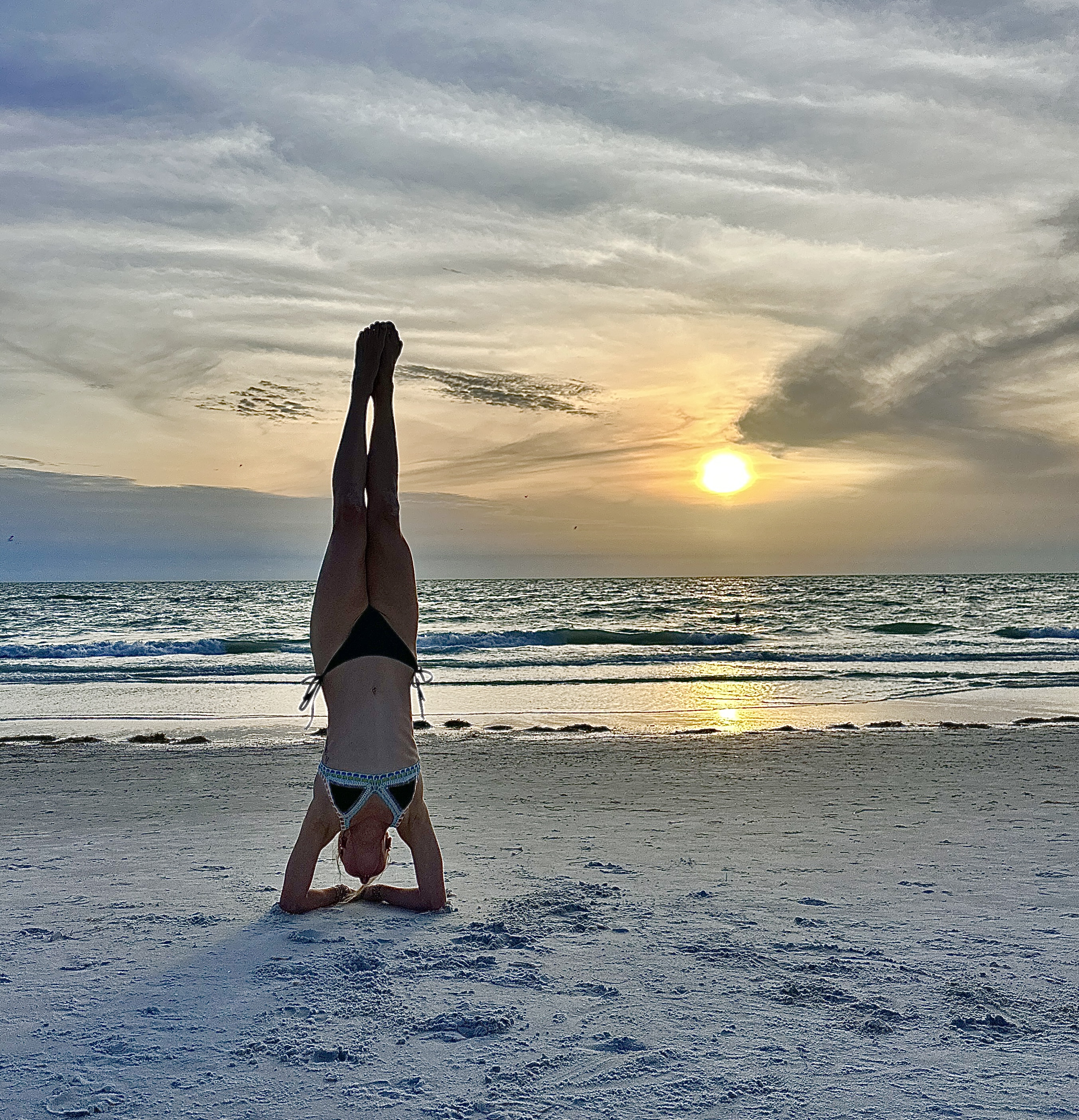
Living in Central Florida does not mean giving up the beach. Instead of having one coastline in your backyard, you can make day trips or weekend trips toward either side of the state. That flexibility appeals to buyers who enjoy the ocean but do not need it outside their front door every morning.
If beach access is central to your daily lifestyle, coastal Florida has the obvious advantage. If the beach is something you enjoy periodically, Central Florida may offer a better balance for your priorities.
5. Central Florida Lake Living: A Waterfront Alternative
Central Florida has a strong lake-oriented lifestyle of its own. Depending on the community, buyers can find lakefront homes, boating and fishing opportunities, community docks, walking paths and homes with water views.
Freshwater living is different from coastal living, but for some buyers it provides exactly what they are looking for: water, sunsets and recreation without needing an oceanfront address.
6. Orlando's Entertainment and Recreation Are Close to Home
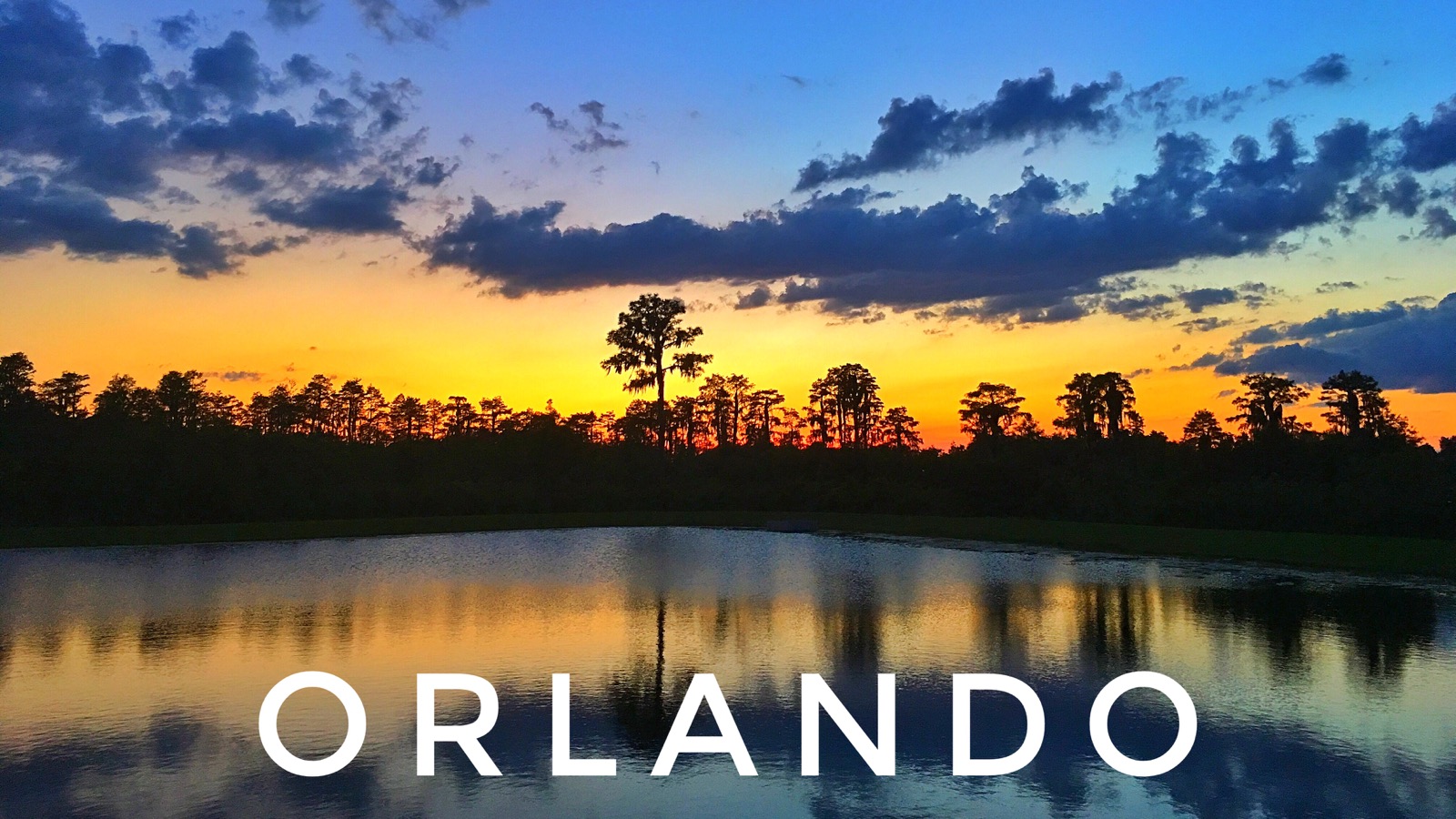
Central Florida places residents near a huge range of recreation and entertainment. Beyond the major theme parks, the region offers golf, professional sports, restaurants, shopping, trails, natural springs, lakes, performing arts and community events.
Areas such as Winter Garden and Clermont can also provide a different pace from the tourism corridors while remaining connected to the broader Orlando region.
7. Airport Access Is a Major Advantage for Frequent Travelers
For buyers who travel for work, visit family in other states or expect frequent visitors, access to Orlando International Airport can be a meaningful quality-of-life benefit. MCO serves a broad network of domestic and international destinations.
Airport convenience is especially worth considering for relocating buyers whose children, parents or extended family will remain in another state.
8. Central Florida Offers Many Different Lifestyles
One mistake relocating buyers sometimes make is thinking of Central Florida as one large Orlando suburb. In reality, communities can feel very different from one another.
- Winter Garden and Horizon West: popular for newer communities, shopping, dining, trails and access to the western side of the Orlando area.
- Clermont: known for rolling terrain, lakes, recreation and a growing selection of new-home communities.
- Davenport: offers extensive new construction and access to the southwest Orlando and theme-park corridors.
- Kissimmee: provides a wide range of housing and convenient access to major Central Florida attractions.
- Lake Nona: a master-planned area in southeast Orlando known for newer development and proximity to the airport and Medical City area.
The right choice depends on commute, budget, home style, recreation and how you expect to spend a normal week - not just a vacation week.
When Coastal Florida May Be the Better Choice
Central Florida is not automatically the better answer. If your ideal morning begins with a walk on the sand, you own a saltwater boat, you surf regularly or an ocean view is one of your highest priorities, coastal living may be worth the tradeoffs.
The goal should not be to choose the location someone else says is best. It should be to understand what you gain and give up with each option and then buy where your everyday lifestyle fits best.
Who Should Consider Central Florida?
Central Florida may deserve extra consideration if you want a broad selection of new construction, prefer a master-planned community with amenities, travel frequently, enjoy lakes and golf, want easy access to Orlando-area entertainment, or like being positioned between Florida's two coasts rather than tied to one.
It can also be attractive to buyers relocating from another state who want Florida living but are still deciding how often they will realistically use the beach.
Questions to Ask Before Choosing Inland or Coastal Florida
- How often will I actually go to the beach?
- Do I want saltwater boating or would lakes meet my needs?
- What are the homeowners and flood insurance estimates for the specific properties I am considering?
- Is the property in a flood zone or evacuation zone?
- How important is new construction to me?
- How often will I use the airport?
- Where will I work, shop and spend most of my time?
- Would I rather have immediate beach access or easier access to Central Florida's attractions and communities?
Frequently Asked Questions About Living in Central Florida vs. the Coast
Is Central Florida safer from hurricanes than the coast?
Central Florida can still be affected by hurricanes, including damaging winds, heavy rain, tornadoes and flooding. Inland locations are generally removed from direct coastal storm-surge exposure, but every property should be evaluated individually.
Is homeowners insurance cheaper in Central Florida?
It can be, but there is no universal rule. Location is one insurance factor, while roof age, construction, wind mitigation, coverage and the individual insurer can also significantly affect premiums. Get quotes for the actual home you are considering.
Do I need flood insurance if I live inland?
Flooding is not limited to coastal properties. Ask your insurance professional and lender about the property's flood risk and coverage options, and review current flood information for the specific address.
Is Central Florida good for new construction buyers?
Central Florida has a substantial selection of new-home communities, particularly in growing areas around greater Orlando. Inventory, incentives and pricing change frequently, so compare builders and communities before signing a contract.
Should I use a Realtor when buying a new construction home?
A builder's sales representative works for the builder. Having your own real estate professional gives you someone focused on your purchase who can help you compare communities, builders, incentives, contracts and resale considerations. If you want representation, it is best to involve your agent before your first builder visit or registration.
What Central Florida areas should relocating buyers consider?
Depending on budget and priorities, buyers often compare Winter Garden, Clermont, Davenport, Kissimmee, Lake Nona and other communities throughout the Orlando region. There is no single best location for every buyer.
Can I live in Central Florida and still make regular beach trips?
Yes. Central Florida's location makes trips toward either the Atlantic or Gulf side possible, although actual drive times depend heavily on your starting point, destination and traffic.
Is it better to buy near the coast or inland for resale value?
Resale performance depends on the individual market, property, condition, supply and buyer demand. Waterfront and coastal properties can command premiums, while desirable inland communities can also have strong demand. Buy based on both your lifestyle and the fundamentals of the specific property.
Ready to Compare Central Florida Homes?
Online research is a useful start, but the best buying decision comes from comparing specific communities, homes, insurance considerations and commute patterns side by side.
How Paul Baker Can Help
- Compare Central Florida communities based on your lifestyle, budget and commute.
- Evaluate new construction and resale-home options.
- Help you build a focused home search before you travel or make an offer.
Paul Baker and HotPropertyFL help buyers narrow the search to homes and communities that fit the way they want to live.
Contact Paul Baker About Central Florida Homes
Information is general and can change. Buyers should verify current insurance, flood, evacuation, tax, HOA, builder and property information for any home under consideration.
:format(webp):quality(80)/u.realgeeks.media/hotpropertyfl/orlando_new_builder_discounts._Real_Estate.jpg)