By Paul Baker | HotPropertyFL.com
A home can look beautiful during a showing and still have problems you cannot spot on a casual walkthrough. Fresh paint, new countertops, and a spotless kitchen do not tell you whether the roof is leaking, a drain is connected correctly, or the air conditioning is working as it should.
That is why I recommend an independent home inspection for both resale homes and new construction.
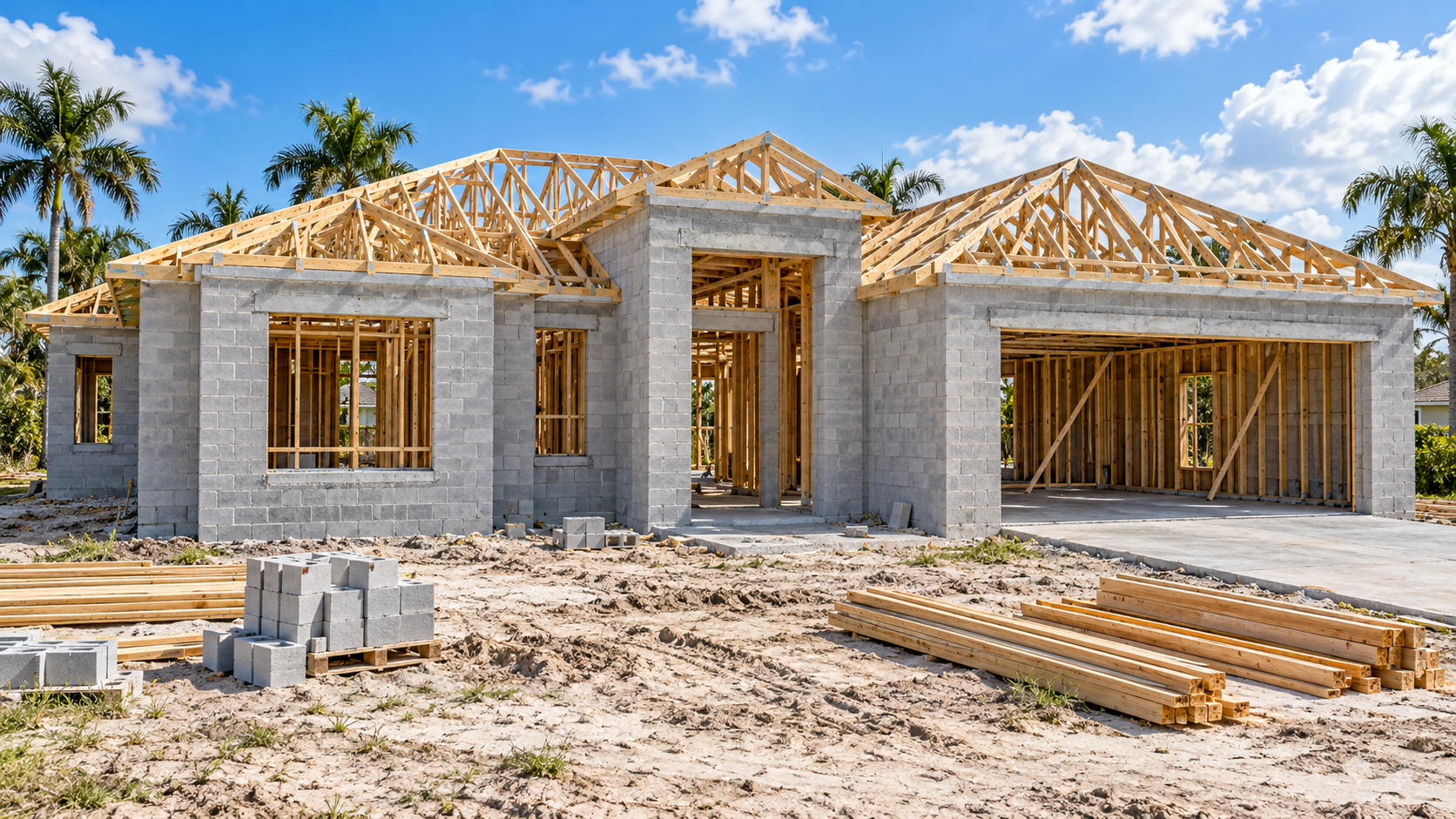
For most new-construction purchases, I recommend planning for two independent inspections: one before insulation and drywall conceal the framing and rough-in systems, and another when the home is substantially complete, before closing. These are recommendations for protecting your purchase, rather than a claim that Florida requires buyers to order two private inspections.
Why resale homes need an inspection
Every home has a history. Roofs age, equipment wears out, and previous repairs or renovations may leave questions that are not obvious during a showing.
An inspection gives you a clearer picture of the home's visible condition and helps you decide what needs immediate attention, what deserves a specialist's evaluation, and what you should budget for after moving in.
For resale purchases, schedule the inspection early enough to review the report and obtain follow-up evaluations within your contract's inspection period. Your options for requesting repairs, negotiating terms, or canceling depend on the agreement and its deadlines.
Brand-new does not mean problem-free
Building a home involves many trades working through a series of construction stages. Even with a reputable builder, installation mistakes, damaged materials, and incomplete work can happen.
The goal of an independent inspection is to give you another informed set of eyes on the home. A builder's warranty is valuable, but I would rather help a buyer identify concerns before closing than leave them to work through repairs after moving in.
Required local building inspections and a builder's quality-control process serve important purposes. Ask how your independent inspections can be coordinated with those steps. A private inspection does not replace required municipal inspections, and a municipal approval should not be treated as your personal condition report.
Inspection one: Before the drywall goes up
The pre-drywall inspection provides an opportunity to examine components that will soon be hidden. Coordinate the appointment with the builder and inspector after the relevant rough-in work is ready but before insulation and wall coverings restrict visibility.
Depending on what is installed and accessible, the inspector may examine exposed framing and roof structure, visible connections, plumbing rough-ins, electrical wiring and boxes, ductwork, and visible window or exterior details. The report can flag observable damage, questionable alterations, or installation concerns for correction or further evaluation.
This is a visual inspection, not a structural engineering certification or a guarantee that every concealed problem will be found. If a concern requires an engineer or licensed trade professional, follow that recommendation.
Plan this appointment early. Ask about the builder's access rules, inspector requirements, notice period, and how reported concerns will be addressed before the work is covered.
Inspection two: Before the home closes
The second inspection evaluates the substantially completed home. Schedule it when utilities and installed systems are ready for testing, with enough time to review findings and request corrections before closing.
Ask the inspector to document anything that could not be tested because it was unfinished, inaccessible, or not operating. An incomplete inspection may require a return visit.
The builder's orientation or final walkthrough is also useful for learning the home's features and noting cosmetic items. Give the independent inspection its own time on the schedule.
What does a home inspector check?
The exact scope depends on the inspection agreement, applicable standards, access, and construction stage. A typical completed-home inspection includes:
- Roof: Visible covering, flashing, penetrations, and drainage.
- Structure: Accessible foundation and structural components; visible indications of movement or moisture.
- Exterior: Wall coverings, doors, windows, steps, railings, and drainage conditions affecting the home.
- Electrical: Accessible service equipment, panels, wiring, and representative outlets, switches, and fixtures; applicable protective devices.
- Plumbing: Visible supply and drain piping, fixtures, leaks, and water-heating equipment.
- Heating and cooling: Operation using normal controls when conditions permit; accessible equipment and distribution components.
- Attic: Accessible framing, insulation, ventilation, and visible moisture concerns.
- Interior: Walls, ceilings, floors, stairs, doors, and representative windows.
- Other included components: Garage doors and safety features, installed kitchen appliances, and fireplace components where covered by the agreed scope.
Inspectors report observed concerns and inspection limitations. Ask for a sample report with clear photographs, explanations, and recommendations.
What is not automatically included?
A general inspection is primarily a visual evaluation of accessible components. It does not reveal every hidden defect, guarantee future performance, or certify full code compliance.
Ask separately about termite or wood-destroying organism inspections, pool and spa inspections, sewer-camera inspections, septic systems, wells and water testing, mold assessment, radon testing, and specialized structural evaluations. Some services require a different specialist or additional credentials.
Also confirm whether irrigation, detached buildings, solar equipment, docks, or seawalls are included if the property has them.
In Florida, ask your insurance agent whether wind-mitigation or four-point reports are needed. Confirm availability and pricing with the inspector; these reports serve different purposes and should not be treated as substitutes for a comprehensive buyer's inspection.
How to choose a home inspector in Florida
Verify the individual's active Florida license
Start with the Florida Department of Business and Professional Regulation. Verify the person who will actually inspect the property, rather than relying only on the company's advertising.
DBPR licenses individual home inspectors. Its examination route includes approved education, an approved examination, and a background check. DBPR also identifies a commercial general liability insurance requirement. Ask for current proof of coverage and whether the inspector carries errors-and-omissions insurance.
Look for relevant certifications
Optional professional credentials worth considering include InterNACHI Certified Professional Inspector (CPI) and ASHI Certified Inspector (ACI).
Verify the exact credential with the issuing organization. Membership, a training certificate, and a professional certification are different things. None replaces an applicable Florida license.
For a home under construction, ask specifically about pre-drywall training and experience inspecting similar construction. For specialty services, verify the qualifications required for that service.
Choose experience and communication
Before hiring, ask:
- How much experience do you have with Central Florida homes and this construction type?
- Do you perform both pre-drywall and pre-closing inspections?
- What is included, excluded, or available for an additional fee?
- May I see a sample report?
- When will the report arrive, and can we discuss the findings?
- Can you reinspect repairs, and what does that cost?
- What happens if the home is not ready on inspection day?
Compare the scope and report quality along with the price. Choose someone who explains concerns clearly and welcomes questions.
What should you do with the inspection report?
Read the full report. Discuss safety concerns, significant defects, and recommendations for additional evaluation with the inspector.
For resale homes, review your available contract options before deadlines expire. For new construction, submit concerns through the builder's required process and request written confirmation of agreed corrections. Consider a reinspection of significant repairs.
An additional inspection before applicable first-year warranty deadlines can also be useful. Check your actual warranty terms and allow time to submit claims; an inspection does not extend a deadline.
Buying in Central Florida? Have someone in your corner
Whether you are purchasing a resale home in Clermont or building in Winter Garden, Horizon West, Windermere, Minneola, Groveland, or Mount Dora, inspections should be part of the conversation early.
I bring 30 years of real estate sales experience to helping buyers understand the process. I attend inspections with my buyers, help organize follow-up questions, and assist with communicating concerns to the seller or builder. The inspector provides the technical evaluation; my role is to help you navigate the purchase.
I do not charge my buyers a transaction fee. Whether you are buying soon or simply researching, I am happy to help without pressure.
Contact Paul Baker to discuss your home search and inspection plan.